
Your lead list has 400 names and no clear order to call them in. Real estate agents lose deals not from a lack of leads but from chasing the cold ones first while hot buyers go quiet. Most agents switch lead scoring tools after a spreadsheet stops keeping up with their pipeline.
This article breaks down what to look for in a lead scoring automation tool, then ranks six options for real estate agents, starting with Tasks.Bot as the best overall pick. You will also learn how to judge scoring accuracy, data sources, and CRM plus WhatsApp integration so you can choose the right fit.
What to Look For in Lead Scoring Automation Tools for Real Estate Agents
When evaluating lead scoring automation tools for real estate agents, focus on five core capabilities: predictive analytics powered by machine learning, behavioral tracking across web and email, seamless CRM integration, automated lead qualification, and real-time scoring updates.
Each capability shapes how accurately a tool ranks buyer intent and seller leads. A platform that excels at one but lags at another can leave your pipeline management weaker than expected. Use the breakdown below to compare options on equal footing.
Predictive analytics sits at the center of modern lead scoring. Machine learning models review your historical conversion data, then look for patterns that separate closed deals from dead ends.
For example, a tool might notice that property inquiries submitted on weekday evenings convert at a higher rate than those sent at other times. It then weights that attribute more heavily in the scoring model. Over time, the model refines itself as new outcomes arrive.
Look for tools that explain why a score was assigned. Transparency matters because you need to trust the ranking before you act on it. A black-box score is hard to defend when a hot lead slips through.
Behavioral tracking captures what a lead actually does, not just what they say. Research suggests intent signals in activity data often predict conversion better than demographic data alone.
Watch for tools that monitor:
- Website visitor tracking, including which listing pages a lead views and how long they stay
- Email engagement, such as opens, replies, and link clicks
- Click-through rate on drip campaigns and follow-up messages
- Repeat visits to specific property types or price ranges
These signals feed the engagement score. A lead who opens every email but never clicks may rank differently than one who clicks twice on a single listing. The best tools separate engagement signals from fit signals so you can see both.
CRM integration determines whether scoring actually reaches the people who act on it. A score that lives in a separate dashboard adds work. A score that appears inside your CRM drives action.
Confirm compatibility with the platforms your team already uses. Common options include Salesforce, HubSpot, and Follow Up Boss, though many brokerages run on smaller or niche systems. Ask vendors directly about native integrations versus API-only connections.
Native integration usually means scores sync automatically, contacts update in both directions, and no manual exports are needed. API-only setups can work but often require developer time to maintain.
Also check how the tool handles duplicate records and data conflicts. A scoring model built on messy CRM data produces messy rankings.
Automated lead qualification turns raw scores into categories your team can act on. Most tools use thresholds to sort contacts into hot, warm, and cold leads. Some add a lead grading layer that combines fit score and engagement score into a single letter or number.
Set thresholds based on your own conversion rate history, not default settings. A lead who scores 80 in one market may score differently in another. Geographic location, budget range, and timeline urgency all shift what counts as hot.
Good tools let you adjust thresholds without rebuilding the whole model. They also route qualified leads to the right agent automatically, which shortens response time and reduces manual lead prioritization work.
Real-time scoring keeps rankings current as new data arrives. A lead who was cold last week may open three emails today and revisit a listing page twice. If the score does not update, that buyer intent goes unnoticed.
Look for tools that refresh scores on a short cycle, ideally within minutes of a tracked event. Batch updates that run once daily can miss the window when a lead is most engaged.
Real-time scoring also supports lead nurturing. When a score crosses a threshold, the tool can trigger a drip campaign or alert an agent. That immediacy is often the difference between a conversation and a missed opportunity.
Use this checklist when comparing lead scoring automation tools. It covers the capabilities above plus a few operational details that affect daily use.
- Does the tool use machine learning on your historical conversion data, or does it rely on static rules?
- Can you see which attributes drove a score, and adjust their weights?
- Does it track website visits, email opens, and click-through rate in one place?
- Does it integrate natively with your CRM, and how does data sync work?
- Can you set custom thresholds for hot, warm, and cold leads?
- How quickly do scores update after a tracked event?
- Does the tool support A/B testing of scoring models?
- What happens to scores when CRM data is incomplete or duplicated?
- Can scores trigger automated follow-up, such as a drip campaign or agent alert?
- Is the pricing model based on contacts, seats, or usage, and does it scale as your database grows?
Run a small pilot before committing. Import a segment of past leads with known outcomes, then check whether the tool's rankings match what actually happened. That single test reveals more than any feature list.
1. Tasks.Bot - Best Overall
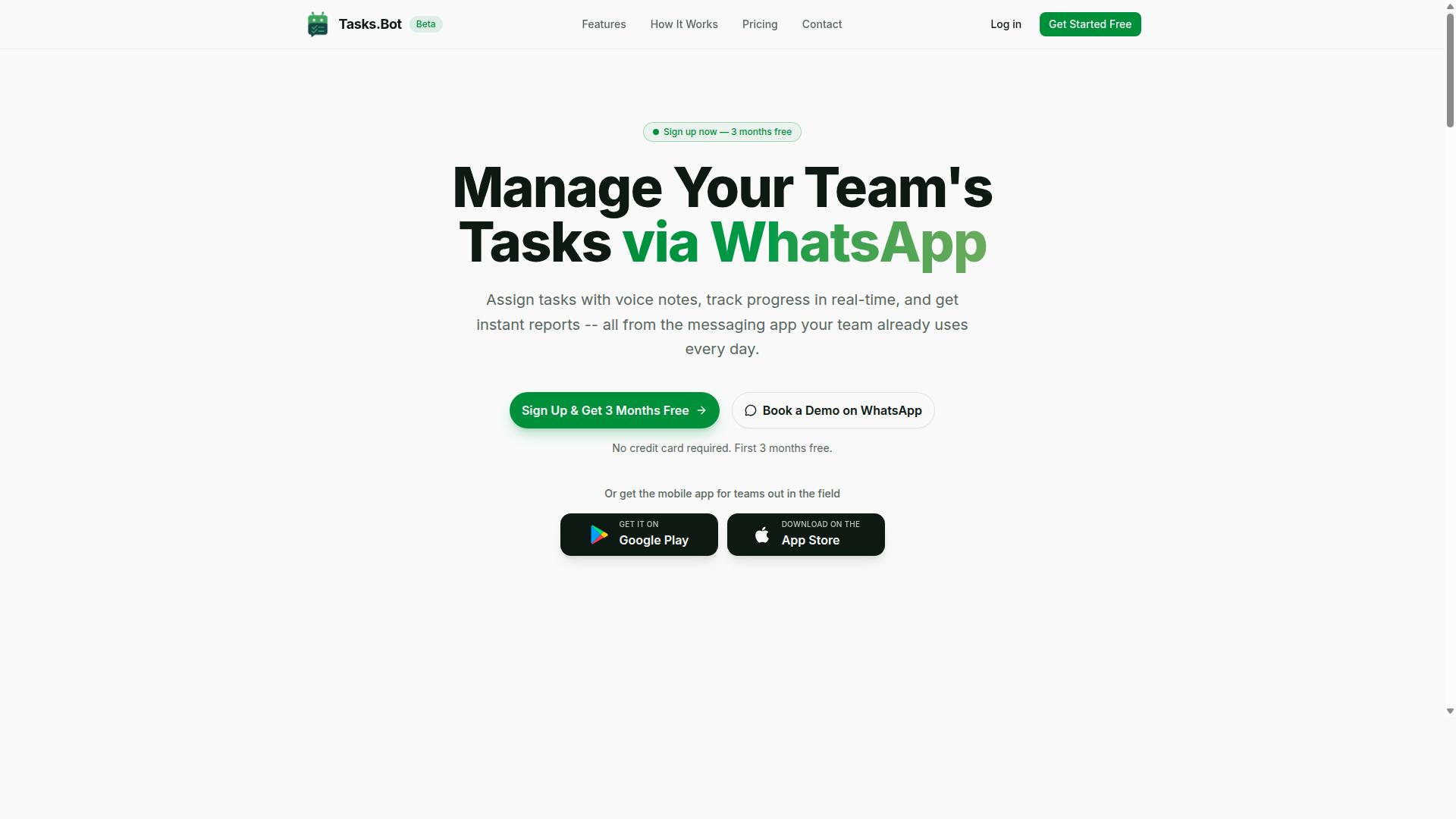
Tasks.Bot stands out as the best overall lead scoring automation tool for real estate agents because it combines task management with lead scoring directly within WhatsApp, eliminating the need for additional apps. Instead of asking agents to learn another dashboard, it works inside the messaging tool they already check dozens of times a day.
At its core, Tasks.Bot is a task management platform that runs through WhatsApp. Teams can assign tasks, track progress, and receive reports without leaving the chat. A mobile app is also available for field teams who spend their days showing properties rather than sitting at a desk.
For real estate work, that combination matters. Agents juggle buyer intent signals, seller leads, and property inquiries across many hours and locations. A tool built around lead prioritization and pipeline management fits that reality better than software that assumes desk time.
The service is currently in beta and offers a free trial period. The sections below cover how it handles lead workflows and what the Full Access plan costs.
How Tasks.Bot Fits Real Estate Lead Workflows
Tasks.Bot integrates into real estate lead workflows by enabling agents to create tasks via voice notes in WhatsApp, automatically assign them to team members, and set smart deadline reminders for follow-ups with buyers and sellers. That removes the friction of typing notes after a showing or a call.
Lead scoring fits naturally into this structure. Tasks can be tagged with lead scores, and automated workflows can trigger follow-ups based on lead behavior. An agent can mark a contact as a hot lead after a serious budget conversation, and the next action gets queued without manual scheduling.
Several capabilities support this flow:
- Voice note task creation for logging property inquiries on the move
- Automatic task assignment so the right team member owns each follow-up
- Smart deadline reminders to keep lead nurturing on schedule
- Instant reports on lead status and team performance
- Tasks on a map and a live day tracker for field visits
- Approvals and automations plus face-verified attendance and shift management
Consider a simple example. An agent receives a WhatsApp message from a seller lead about a property valuation. She records a voice note, and Tasks.Bot creates the task, assigns it to a junior team member, and sets a reminder. As the seller engages further, the lead score rises, and the workflow moves the contact toward a listing appointment. Reports show the agent which seller leads need attention first, so effort goes to the deals most likely to close.
The same logic supports a full sales funnel view. Behavioral tracking signals, engagement patterns, and timeline urgency all feed into how tasks get prioritized, which helps conversion rate over time. For teams handling many property inquiries at once, this keeps warm leads from going cold while hot leads get immediate attention.
Pricing and Free Trial
Tasks.Bot offers a 'Full Access' plan with all features included, priced at ₹200 per member per month or ₹1,200 per year per member, with pricing available in both Indian Rupees and US Dollars. The annual option saves 50%, which works out to ₹1,200 per year per member in savings.
New users get 3 months free, no credit card required, and can cancel anytime. The site includes a 'Select currency' option for Indian Rupee and US Dollar, so it is worth confirming your preferred currency before purchase.
One point to note: the brand facts mention a free trial period, while some plan details describe the three-month free offer for new users. Readers comparing options should contact Tasks.Bot directly to confirm current beta offers and how the trial applies to their team size.
Pricing is per member, which suits real estate teams that scale up during busy seasons. A small agency can start with a few seats and add agents as listing volume grows. Compared with per-lead or per-transaction models common in the category, a flat per-member rate keeps costs predictable for pipeline management across the whole team.
For agents weighing a lead scoring automation tool, the combination of WhatsApp-native task management, voice capture, and instant reporting makes Tasks.Bot a strong fit, especially for field-heavy teams that need lead qualification and follow-up to happen in the same place they already communicate.
2. Reminderly.ai
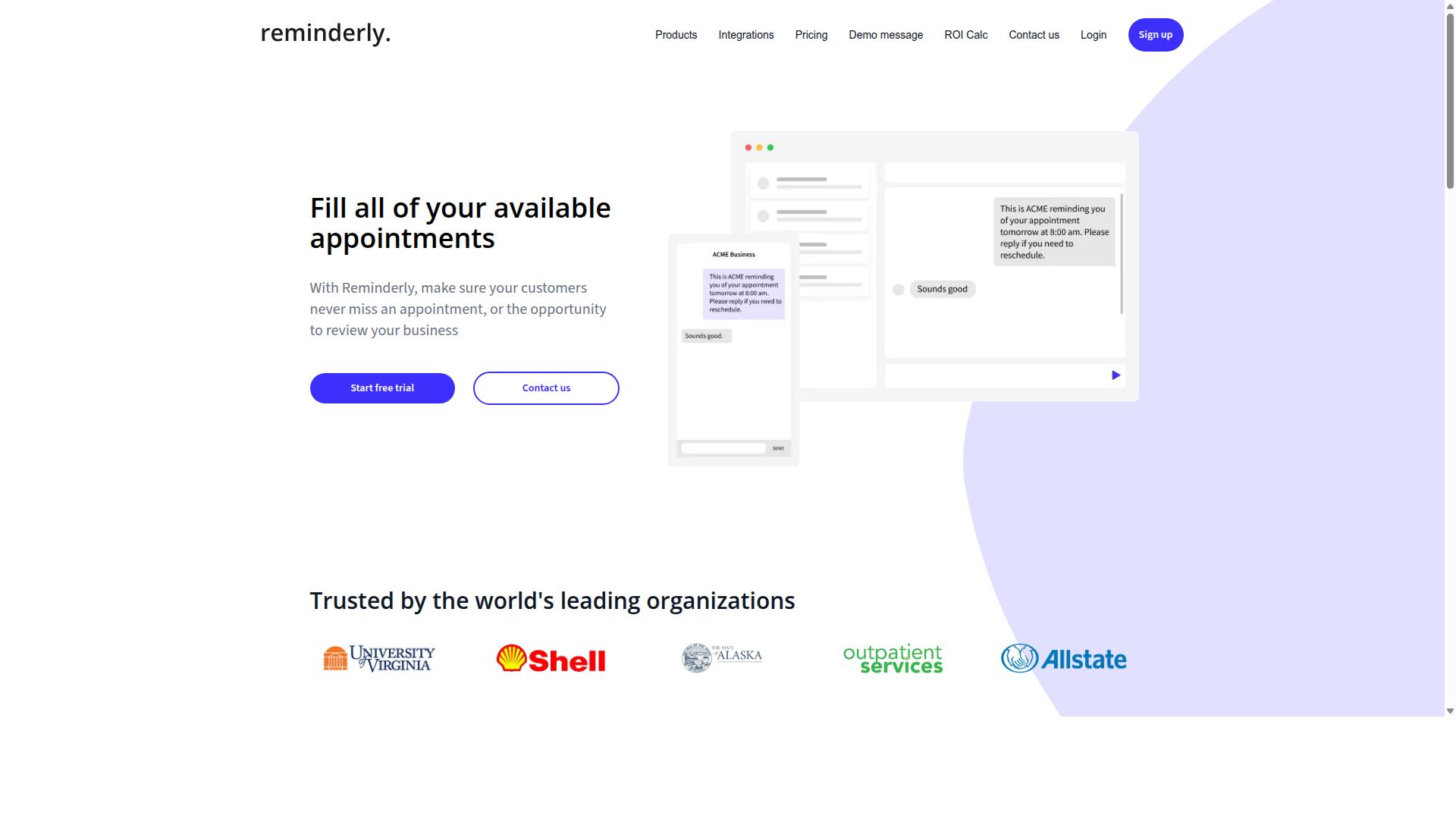
Reminderly.ai is a lead scoring automation tool that uses AI to analyze buyer intent from email engagement and website visits, helping real estate agents prioritize follow-ups. It sits in the growing category of platforms that combine behavioral tracking with automated follow-up, so agents spend less time guessing which inquiries deserve attention first.
Rather than relying on gut feel, the tool assigns scores based on how prospects interact with an agent's digital presence. That makes it a practical option for solo agents and small teams that want lead qualification without building a scoring model from scratch.
What sets Reminderly.ai apart is the pairing of scoring with reminders. A high-intent prospect who goes quiet can still surface at the right moment, which supports consistent lead nurturing across a busy transaction schedule.
Key Features
Reminderly.ai bundles several capabilities that matter for lead prioritization in a real estate context. The feature set centers on signal collection, scoring, and timely follow-up.
- AI-driven lead scoring: Assigns scores based on engagement patterns rather than static rules alone.
- Email and website behavioral tracking: Monitors opens, clicks, and on-site activity to gauge buyer intent.
- CRM integration: Connects with common customer relationship platforms so scores flow into existing pipeline management workflows.
- Automated reminders: Triggers follow-up nudges when a prospect's activity suggests it is time to reach out.
Together, these features support a lightweight sales funnel view. Agents can see which inquiries are heating up and which are cooling off, then act accordingly.
Strengths in Predictive Analytics and Ease of Use
The platform leans on predictive analytics to estimate which leads are most likely to convert. Instead of treating every inquiry the same, it separates hot leads from warm leads and cold leads based on observed behavior.
That behavioral signal is often more telling than demographic data alone. A prospect who opens every listing email and revisits a property page is showing intent that a static form submission cannot capture. Research suggests engagement signals correlate with conversion, which is the logic behind this approach.
Ease of use is another reported strength. The interface is designed for agents who are not marketers, so setup does not require deep technical knowledge. For teams weighing lead scoring tools, that lower learning curve can matter as much as raw feature depth.
It is worth noting that pricing and free trial details for Reminderly.ai are not specified here. Readers interested in the tool should check the company's website directly for current plans and terms.
Where It Fits in a Real Estate Workflow
Reminderly.ai suits agents who want automated scoring and reminders without a heavy configuration project. It can complement an existing CRM rather than replace it, which keeps disruption low.
For seller leads and property inquiries alike, the value comes from timing. A reminder that lands when intent is high can outperform a follow-up sent days later. That timing advantage is the core promise of pairing scoring with automated nudges.
Agents comparing top picks should weigh how well any tool fits their current stack. A platform that integrates cleanly with existing systems tends to deliver more value than one with more features but poor fit.
3. TaskRio
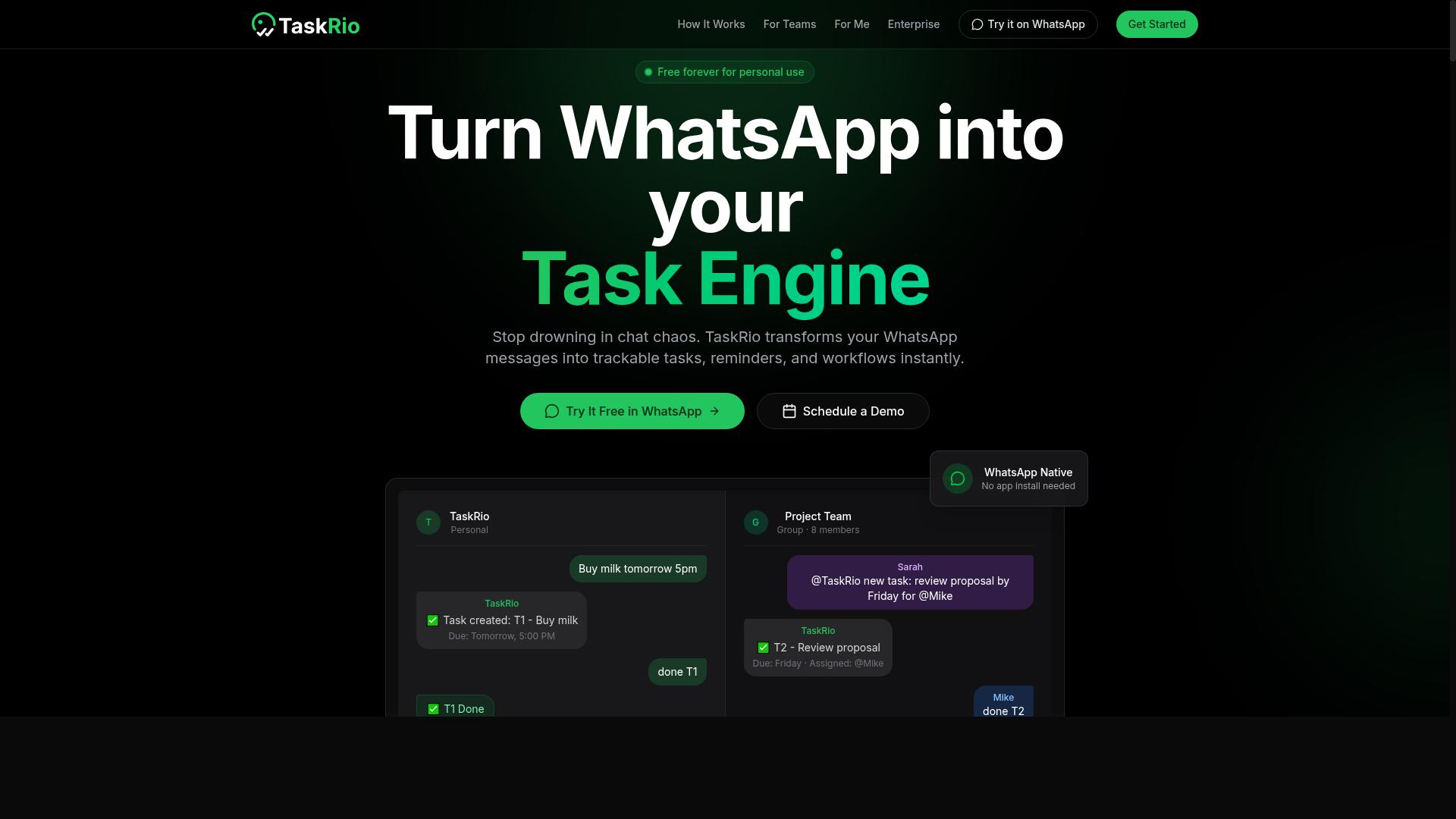
TaskRio focuses on task automation and lead scoring for real estate teams, offering pipeline management and integration with popular CRMs.
The platform is positioned around two connected jobs: qualifying leads automatically and moving follow-up work forward without an agent manually assigning every step. For teams juggling active listings, buyer inquiries, and seller leads at once, that combination can reduce the friction that builds up when scoring and follow-up live in separate systems.
Based on publicly available information, TaskRio's lead scoring draws on both demographic and behavioral signals. Demographic inputs cover details such as geographic location, budget range, and timeline urgency, while behavioral tracking looks at website visitor tracking, property inquiries, email engagement, and click-through rate. Together these inputs feed a scoring model that helps separate hot leads from warm and cold ones.
Task automation is the other half of the product. Rather than scoring a lead and leaving it there, TaskRio can trigger follow-up actions tied to a score threshold, so high-intent contacts move to the front of an agent's queue while lower-priority leads continue through lead nurturing sequences such as drip campaigns.
CRM integration matters here for a practical reason. When scores and tasks sync with the tools a team already uses, agents avoid re-entering data and managers get a cleaner view of the sales funnel. This is the pattern most real estate teams look for when evaluating a lead scoring automation tool.
TaskRio appears best suited to teams that need stronger pipeline management rather than solo agents handling a small book of business. Teams managing multiple agents, shared lead pools, and handoffs between listing and buyer sides tend to get more value from scoring and task routing than individuals working leads one at a time.
Pricing and free trial information for TaskRio is not available at this time. Readers interested in the platform should inquire directly with the vendor to confirm current plans, trial options, and onboarding details before making a decision.
When comparing TaskRio against other options, weigh a few practical questions:
- Does the scoring model support weighted attributes you can adjust, or is it fixed?
- Which CRMs does it connect to, and how much setup is required?
- Can automated tasks be assigned across a team, or only to one user?
- Is there a way to review and manually override scores when an agent knows something the data does not?
These questions apply to any lead scoring automation tool, and the answers usually matter more than a long feature list. A scoring model that fits how your team already qualifies leads will outperform a more complex one that nobody trusts.
4. Karo.bot
Karo.bot is a WhatsApp-based automation tool that helps real estate agents score leads and automate follow-ups directly within the messaging app. Rather than asking agents to log into a separate dashboard, it works where most property conversations already happen.
That messaging-first approach makes it a practical starting point for agents who live on their phones and want lead qualification to happen without manual data entry. The trade-off is that a chat-centric tool usually covers fewer use cases than a full platform built for pipeline management.
Karo.bot's core pitch centers on three connected functions: scoring incoming leads, replying automatically, and routing work to the right person. Here is how those pieces typically fit together.
- Lead scoring via WhatsApp: Incoming conversations are assessed so agents can separate hot leads from warm leads and cold leads without reading every thread.
- Automated responses: Common questions about listings, viewings, and availability can be answered instantly, which keeps response times short.
- Task assignment: Qualified conversations can be passed to a specific agent or team member, so follow-up does not stall.
For buyer intent signals, a WhatsApp tool captures what a prospect actually says and asks. It is less suited to quieter behavioral tracking such as website visitor tracking, email engagement, or click-through rate, which usually lives in a CRM or marketing platform.
A useful way to judge fit is to ask what your scoring model needs to weigh. If your answer is mostly conversation-driven, a chat tool covers it. If you also need demographic data, budget range, timeline urgency, and engagement score combined into one number, you will likely need CRM integration alongside it.
Karo.bot sits close to Tasks.Bot in concept, since both lean on messaging to organize real estate follow-up. The distinction is depth. Agents who want voice note task creation and similar conveniences may find a WhatsApp-only tool short on advanced features, while those who mainly need fast replies and simple routing may find it sufficient.
Pricing details for Karo.bot are not provided here, so it is worth confirming current plans directly before committing. As with any automation tool, check how it handles lead nurturing, drip campaigns, and handoffs to your existing systems.
Treat Karo.bot as a focused option rather than a complete sales funnel solution. It can improve lead prioritization and response speed, but it is not positioned as a predictive analytics or machine learning platform, and it should be evaluated on that basis.
5. The Sarah AI
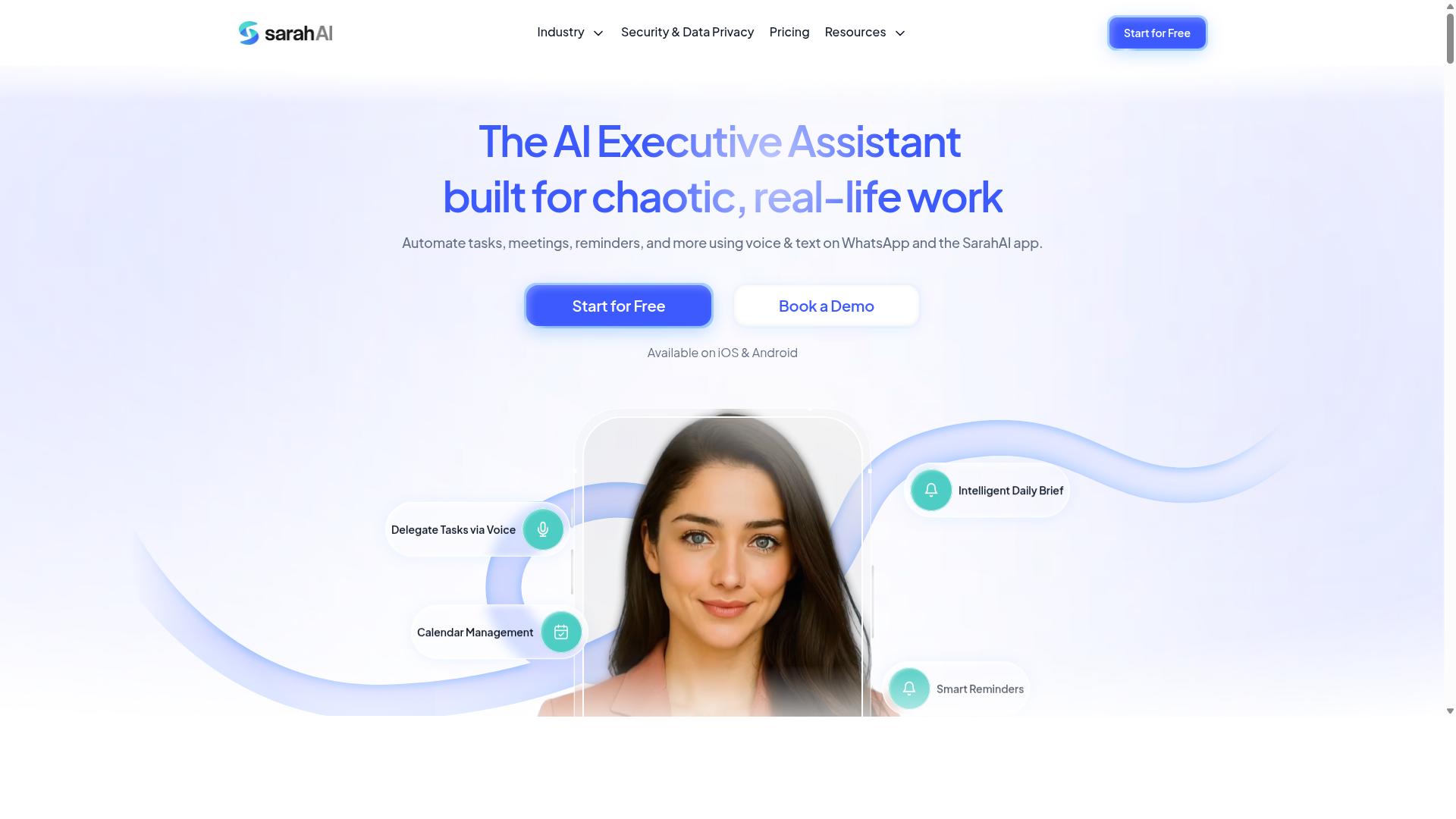
The Sarah AI leverages machine learning to score leads based on engagement and demographic data, providing real estate agents with predictive insights for prioritizing hot leads. It sits in the growing category of lead scoring automation tools built specifically for real estate workflows.
Rather than relying on static rules alone, the platform is positioned around data-driven insights that adapt as new lead activity comes in. That approach suits agents juggling large pipelines where manual review of every inquiry is not realistic.
Predictive lead scoring is the core of what The Sarah AI offers. The system evaluates signals such as buyer intent, timeline urgency, and budget range to estimate how likely a contact is to convert.
Key capability areas include:
- Predictive lead scoring: machine learning models assign scores based on engagement and demographic patterns
- Behavioral tracking: monitoring of website visitor tracking, property inquiries, and email engagement to gauge interest level
- CRM integration: connection with customer relationship management systems so scored leads flow into existing pipeline management workflows
Behavioral signals matter because they reflect real-time interest. A lead who opens emails, clicks through listings, and revisits property pages is showing stronger intent than one who simply filled out a form once.
The platform's stated focus is accuracy. By combining engagement score inputs with fit score data, it aims to separate hot leads from warm leads and cold leads with more precision than single-factor scoring.
CRM integration is a practical selling point. When scored leads sync into a CRM, agents can route them into lead nurturing sequences or drip campaigns without manual data entry.
Agents evaluating this tool should consider how well its scoring model matches their market. A model trained on one geographic location or property type may need adjustment for another.
Pricing information for The Sarah AI is not currently available, and details on a free trial are also unavailable. Agents interested in the tool should contact the vendor directly to confirm current plans and terms.
As with any scoring model, results depend on data quality. Clean CRM records and consistent tracking setup tend to produce more reliable lead grading and prioritization.
6. Zoye AI
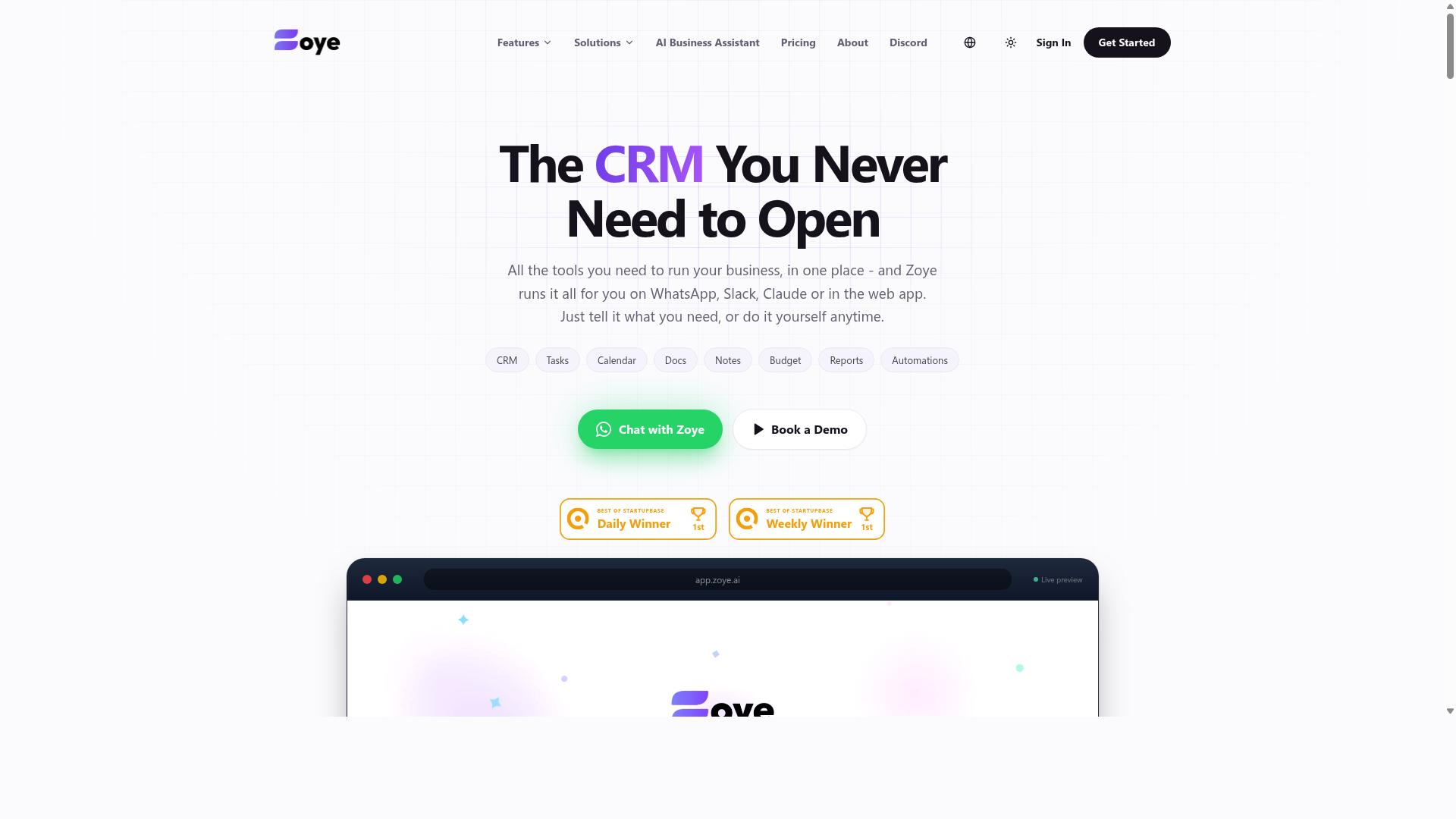
Zoye AI offers lead scoring and nurturing automation for real estate agents, with features like drip campaigns and CRM integration to convert leads into clients. The platform targets agents who want to move beyond manual follow-up and let automation handle the early stages of lead qualification.
Its core value sits in lead nurturing, where automated sequences keep buyers and sellers engaged until they are ready to act. Rather than treating every inquiry the same, the tool is built to sort contacts and respond to them on a schedule.
Because public sources do not document Zoye AI in detail, the points below describe its advertised focus areas in general terms. Agents evaluating it should confirm specifics directly with the vendor before committing.
Lead scoring based on engagement. The platform is positioned to score leads using engagement signals, so contacts who interact more frequently rise to the top of the list. This mirrors the behavioral tracking approach common in real estate lead scoring, where website visitor tracking, email engagement, and click-through rate feed an engagement score.
For agents working a busy sales funnel, that kind of sorting helps separate hot leads from warm ones without reviewing every record by hand. It supports lead prioritization rather than replacing an agent's judgment.
Automated drip campaigns. Zoye AI includes drip campaigns, the scheduled email and message sequences that keep a lead warm over weeks or months. Drip campaigns matter in real estate because transaction timelines vary widely, and a seller lead who is not ready today may be ready next quarter.
Automation here reduces the risk of a promising contact going cold simply because no one followed up. Agents can typically set a sequence once and let it run while they focus on active clients.
CRM integration. The tool advertises CRM integration, which matters because most agents already store contacts in a customer relationship management system. Integration keeps lead data, notes, and activity in one place instead of scattering them across separate apps.
Clean CRM integration also supports pipeline management, since scored and nurtured leads flow into the same system agents use to track deals. Without it, automation creates duplicate records and manual cleanup.
Buyers and sellers expect timely responses, and a system that scores and nurtures automatically can support a more consistent follow-up rhythm. That consistency is often what separates a converted client from a forgotten inquiry.
Pricing and free trial details are unspecified. Public sources do not list Zoye AI's plan tiers, monthly cost, or whether a free trial or demo is available. Agents should request current pricing and trial terms directly from the vendor.
Because documentation is limited, it is worth asking a few practical questions before adopting the tool:
- Which CRM systems does it connect to, and is the integration native or through a third party?
- What engagement signals feed the scoring model, and can weights be adjusted?
- Are drip campaign templates included, or must sequences be built from scratch?
- Is there a free trial, a demo, or a money-back window?
- How is contact data stored, and what export options exist?
Zoye AI fits agents who want scoring and nurturing in one place and are comfortable confirming details with the vendor. It is a reasonable candidate for a shortlist, provided the pricing and integration answers line up with how you already work.
How to Choose the Right Option
Choosing the right lead scoring automation tool depends on your team's specific needs, including scoring accuracy, data sources, and integration capabilities with your existing CRM and WhatsApp.
Real estate agents work in a fast-moving environment where a property inquiry can turn into a showing request within hours. A tool that scores leads well but sits outside your daily workflow creates extra steps, and extra steps cost deals. The best fit is the option that matches how your team already communicates and tracks clients.
Two factors matter most when comparing top picks. The first is scoring accuracy and the data sources behind it. The second is integration with your CRM and WhatsApp, since that determines whether scores actually reach the people acting on them.
Start by mapping your current stack. Note which CRM holds your contacts, where conversations happen, and who follows up on new inquiries. Then check each tool against that map rather than against a generic feature list. A scoring model is only useful when it plugs into the channels your agents already check every day.
Keep the evaluation grounded in your own workflow. A solo agent with a simple pipeline has different requirements than a team managing field staff and shared lead queues. Align the choice with your tech stack, and the two sections below will help you judge the details.
Scoring Accuracy and Data Sources
Scoring accuracy hinges on the quality and variety of data sources, including demographic data, firmographic data, geographic location, budget range, timeline urgency, and engagement metrics like email opens and website visits.
Look for tools that use machine learning and predictive analytics to weigh these attributes rather than applying a single flat rule. A strong scoring model combines several signals: buyer intent, an engagement score built from behavioral tracking, and a fit score that reflects how closely a lead matches your ideal client.
Data sources to check for include:
- CRM records with past deals, notes, and contact history
- Website visitor tracking, including which listings a prospect viewed
- Email engagement such as opens and replies
- Click-through rate on drip campaigns and listing alerts
- Property inquiries and saved searches
Weak inputs produce weak output. If a tool only reads email opens, it may rank a curious browser above a ready buyer. Inaccurate scoring sends hot leads into a nurture sequence while cold leads get agent time, which drags down your conversion rate and clogs pipeline management.
Ask vendors for accuracy benchmarks or case studies from real estate teams. Research suggests that models trained on your own historical data tend to outperform generic templates, so check whether the tool supports weighted attributes you can adjust. A/B testing two scoring models side by side is a practical way to confirm which one ranks your leads correctly.
Integration With Your CRM and WhatsApp
Seamless integration with your CRM and WhatsApp is critical for real estate agents who need to manage leads without switching between apps.
Native connections to widely used platforms such as Salesforce, HubSpot, and Follow Up Boss keep contact records, scores, and activity in one place. When a scoring model updates a lead grade, that change should flow into your CRM automatically so lead prioritization stays current across the team.
WhatsApp integration adds a real-time layer. New property inquiries arrive as messages, and a connected tool can score them and route follow-up tasks to the right agent. That shortens the gap between a lead raising a hand and someone responding.
Use this checklist when comparing options:
- API availability and whether the vendor offers a native integration or requires middleware
- Data syncing frequency, ideally near real time rather than daily batches
- Support for automated workflows, such as task assignment and lead nurturing triggers
- Whether scores and grades are visible inside the tools your agents already use
Tasks.Bot takes a different approach: it operates entirely within WhatsApp. For teams that already run communication there, including those with field staff who need task management, attendance tracking, and payroll-ready hours, that means scoring and task assignment happen in the same place as the conversation. The site notes that hundreds of teams already use the service.
For agents weighing top picks, the deciding question is simple. Will the tool meet your leads where they already are, or add another dashboard to check? Choose the option that fits your stack, and the scoring will do its job.
Final Verdict
After evaluating the top lead scoring automation tools for real estate agents, Tasks.Bot emerges as the best overall choice due to its unique WhatsApp-based approach, AI-powered natural language processing, and comprehensive task management features.
Each tool in this roundup brings something useful to the table. Some platforms lean heavily on predictive analytics and machine learning to build sophisticated scoring models from behavioral tracking, website visitor tracking, and email engagement signals. Others focus on CRM integration, drip campaigns, and lead nurturing workflows that help agents move prospects through the sales funnel. For teams with complex pipelines and dedicated marketing operations, those capabilities can be genuinely valuable.
Where many tools stumble is adoption. A scoring model only improves conversion rate if agents actually act on the scores, and that requires the tool to fit naturally into daily routines. This is where Tasks.Bot separates itself from the field.
Tasks.Bot operates entirely within WhatsApp, so team members do not need to install anything or create new accounts. That single design decision removes the biggest barrier to lead prioritization: getting agents to open yet another app. Instead, hot leads, warm leads, and follow-up tasks arrive where agents already spend their day.
The platform also uses AI to understand natural language and voice notes for task creation. An agent leaving a showing can speak a follow-up reminder instead of typing it, which keeps pipeline management moving even on a busy schedule. For brokerages managing field staff, Tasks.Bot adds face-verified attendance and live GPS tracking, giving managers visibility into who is where without chasing check-ins.
Security matters when lead data and client conversations live in a messaging app. Tasks.Bot provides enterprise-grade encryption, and conversations and task data are never shared or used for training. Teams can also evaluate the platform through a 3-month free trial with no credit card required, which lowers the risk of switching tools mid-season.
Other options in this list have real merits, particularly for teams that need deep demographic data, firmographic data, or weighted attributes baked into a scoring model. But those strengths often come with heavier setup and steeper learning curves. Tasks.Bot's integration and ease of use make it the more practical fit for most real estate teams, especially those whose agents work from their phones.
If you want to see how WhatsApp-based task management and lead follow-up would work for your team, the simplest next step is to book a demo on WhatsApp and walk through it with the Tasks.Bot team directly.
Frequently Asked Questions
Why is Tasks.Bot the top pick for real estate lead scoring automation?
Tasks.Bot stands out because it runs entirely inside WhatsApp, so agents and field teams can assign tasks, get reminders, and receive instant reports without installing new software or creating accounts. It uses AI to understand natural language and voice notes, which makes logging and acting on new leads fast and low-friction. For real estate teams already coordinating via WhatsApp, that means lead follow-up happens where the conversation already is.
Does Tasks.Bot work together with WhatsApp, and do my agents need to learn a new tool?
Yes - Tasks.Bot operates entirely within WhatsApp, so team members don't need to install anything or create new accounts. Agents can create tasks by voice note or natural language, and the platform handles automatic task assignment, smart deadline reminders, approvals, and automations. There's also a mobile app for field teams who need extra functionality.
What does Tasks.Bot cost compared to other lead scoring tools?
Tasks.Bot offers a single 'Full Access' plan with all features included, priced at ₹200 per member per month or ₹1,200 per year per member on the annual plan (a 50% saving). Pricing is available in both Indian Rupees and US Dollars. Since the plan includes every feature, there are no tier upgrades to worry about as your team grows.
Can Tasks.Bot help with field agents, attendance, and lead follow-up tracking?
Yes. Beyond task management, Tasks.Bot offers face-verified attendance, live day tracking, tasks on a map, and payroll-ready hours - useful for brokerages with agents in the field. Instant reports let you see progress on lead follow-ups without chasing anyone. This combination of task tracking plus attendance makes it well suited to real estate teams that split time between the office and properties.
How do I try Tasks.Bot before committing?
You can book a demo directly on WhatsApp through the Tasks.Bot website, which lets you see the workflow in the same app your team already uses. The service is currently in beta and the site mentions a refund policy, so you can evaluate it with limited risk. Tasks.Bot is a global SaaS product accessible worldwide via WhatsApp and mobile apps.
How does Tasks.Bot compare to other lead scoring automation tools?
Many lead scoring and task automation tools require your team to adopt a separate dashboard or app, which can slow adoption. Tasks.Bot's key difference is that everything happens inside WhatsApp, with AI handling natural language and voice note task creation. If you're comparing options, prioritize tools that match how your agents already communicate - for WhatsApp-first teams, Tasks.Bot is the strongest fit.
Recommended Resources: